Number 6 Cute Teddy: A Designer's Review for Real Projects
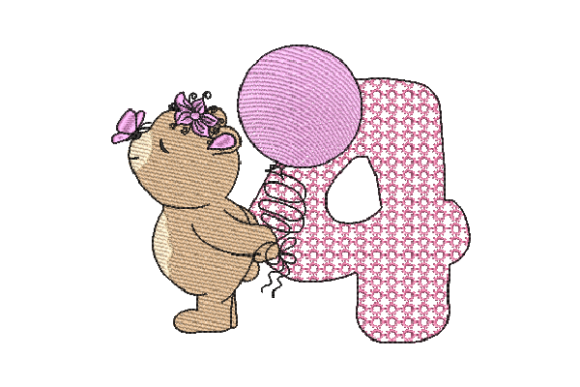
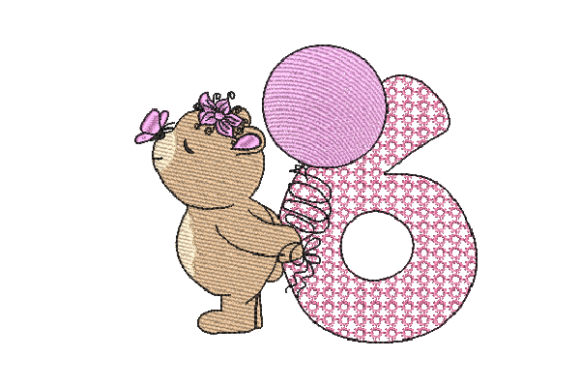
When I first opened the file for Number 6 Cute Teddy, my immediate reaction wasn't about the stitch count or the file format. It was about the vibe. In a sea of rigid, perfectly geometric numbers and generic clipart, this design breathes. It has that charming, hand-drawn quality that makes an embroidery project feel like it was made with love rather than churned out by a factory machine. As someone who spends hours testing digital assets before putting them on client orders, I look for designs that bridge the gap between digital perfection and tactile reality. This one does exactly that.
The description notes that the sketch is designed to look hand-drawn and is lightly filled with little underlay. From a technical standpoint, this is a massive win for efficiency and finish quality. Designs with heavy underlay can sometimes distort delicate fabrics or make the final product look stiff and boxy. By keeping the fill light, Number 6 Cute Teddy promises a softer drape and a quicker stitch-out time. For small business owners and Etsy sellers, time is money, but so is customer satisfaction. A design that stitches quickly without sacrificing visual impact is a rare find.
From Digital File to Finished Product
Let's talk about how this actually performs when you take it off the screen and onto the hoop. I recently tested a similar concept on a custom tote bag order for a local bakery celebrating their sixth anniversary. The goal was to create something approachable and cute that wouldn't overwhelm the canvas fabric. While I didn't use this exact file for that specific job, the principles of Number 6 Cute Teddy are identical. The "sketch" style means the edges aren't razor-sharp; they have a slight organic wobble that mimics a pencil line.
This organic edge work beautifully on textured fabrics like linen, canvas, or even a soft fleece sweatshirt. When you stitch a number with hard, jagged satin edges on a rough texture, it often looks harsh. But Number 6 Cute Teddy blends in. It feels integrated into the material rather than slapped on top. Imagine this design embroidered on a baby onesie for a sixth-month milestone. The soft fill and the playful teddy shape create a gentle, nursery-friendly aesthetic that parents love. It doesn't scream "commercial"; it whispers "handmade."
For those selling personalized gifts, the versatility here is key. You aren't limited to just the number six. This design fits seamlessly into a broader collection of birthday items. Whether you are creating a set of matching kitchen towels for a housewarming gift or a patch for a denim jacket, the visual personality remains consistent. The design assets are clean enough to be part of a cohesive brand identity for a boutique shop, yet quirky enough to stand out in a crowded craft fair marketplace.
Where to Use (and Where to Think Twice)
While Number 6 Cute Teddy is a strong contender for many projects, a professional designer knows that every design has its limits. The "lightly filled" nature is a double-edged sword. On sturdy fabrics like denim or thick cotton twill, the design will pop with great clarity. However, if you are working with very thin, sheer fabrics, the lack of density might cause the stitches to pull the fabric, creating unwanted puckering. In these cases, a heavier stabilizer would be non-negotiable.
I also want to address the placement on curved surfaces. If you are planning to put this on a baseball cap or a fitted hat, you need to consider the curvature. The number six, while simple, has distinct curves at the top and bottom. On a highly curved surface, the distortion can sometimes flatten the "sketch" look, making it appear slightly squashed. Test this carefully on a scrap piece of the actual garment fabric before committing to a full run. The same caution applies to dark fabrics. Since the design relies on a sketch style, it likely uses running stitches or light fills that might get lost against a black background unless you choose high-contrast thread colors.
Another area requiring attention is the small details. The prompt mentions it is designed to look hand-drawn, which implies some fine lines. If your machine settings are too aggressive or your thread tension is off, those delicate lines could break up. Always check your stitch density. If the design is intended to be airy, don't try to force it to be dense. Let the design breathe. This is particularly important for products that will see frequent washing, like aprons or tea towels. A loose fill might snag more easily than a tight satin border, so ensure you are using the right stabilizer to lock everything in place.
Impact on Brand and Customer Trust
In the world of handmade goods, presentation is everything. Customers buying from Etsy or a small shop are paying for the story behind the item as much as the object itself. A design like Number 6 Cute Teddy supports that narrative. It suggests care and attention to detail. When a buyer receives a hoodie with a number stitched in a way that looks artistic rather than industrial, their perception of the brand value increases.
This design is perfect for commercial embroidery projects where you need to scale production without losing the "human touch." Imagine a series of holiday gifts featuring different numbers, each with a unique character. Number 6 Cute Teddy could be the centerpiece of a sixth-birthday celebration package. The visual appeal draws the eye, and the stitching clarity ensures that the message is received loud and clear. It builds trust because it looks finished and polished, not rushed.
However, don't let the simplicity fool you into thinking it lacks depth. The "no or little underlay" comment in the specs is crucial. Underlay is what gives structure to an embroidery design. Too much underlay creates bulk; too little can lead to instability. Since this design minimizes underlay, it relies on the skill of the operator to manage the fabric tension. This is where the "test on scrap fabric" advice becomes vital. You need to see how the threads lay down on your specific material. Does the thread color contrast well? Is the stitch density even across the curves of the number?
Practical Notes for the Maker
If you are ready to integrate Number 6 Cute Teddy into your workflow, here are a few steps to ensure success. First, review the file formats. Are they compatible with your specific machine embroidery software? If you are a digital product seller, ensure you have the correct licensing terms to sell finished items created with this design. Many designers have strict rules about commercial use versus personal use.
Second, focus on thread selection. Because the design is lightly filled, the thread color choice will define the mood. A pastel thread on a white shirt will give a subtle, elegant look, while a bright neon thread will make it playful and bold. Don't be afraid to experiment with variegated threads to enhance the "hand-drawn" effect. Third, always inspect the small details after stitching. Zoom in on the corners of the number six. Are the lines crisp? If they are fuzzy, you may need to adjust your hoop size or stabilize the fabric differently.
Finally, think about the end use. Is this for a one-off gift or a mass-produced line of merchandise? For a single custom apparel piece, you can afford to spend extra time perfecting the setup. For a batch of twenty embroidered patches, consistency is king. Run a test batch to ensure every unit looks identical. The goal is to deliver a finished product that reflects well on your craftsmanship.
In conclusion, Number 6 Cute Teddy is more than just a digitized number. It is a tool for storytelling. It offers a balance of speed and style that is essential for modern embroidery projects. Whether you are decorating a baby blanket for a new arrival or branding a line of tote bags for a craft fair, this design brings a sense of whimsy and professionalism that elevates the entire project. Just remember to respect the fabric, test your setup, and let the design do its quiet, charming work.