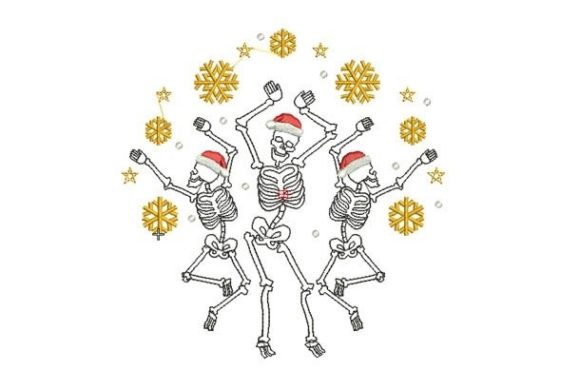
Merry Christmas Skeletons: A Designer's Review for Real Projects
When I first opened the file for Merry Christmas Skeletons, my initial reaction wasn't just about the theme; it was about the mood. In a sea of traditional holly, reindeer, and snowflakes, this design immediately stands out because it leans into the quirky, slightly macabre side of holiday cheer. As someone who has stitched hundreds of designs for clients and personal projects, I look for that specific spark where a digital file translates perfectly into thread. This design offers a unique visual personality that feels both delicate and bold, making it a compelling choice for anyone looking to add character to their handmade product line.
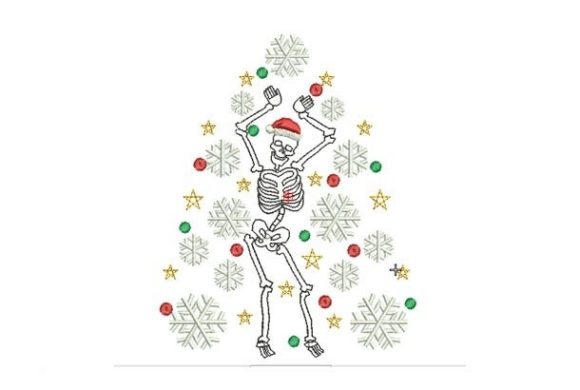
The layout is clean, which is crucial for any machine embroidery design intended for apparel or home decor. The skeleton figure likely serves as the focal point, with typography integrated in a way that suggests movement rather than static placement. For an Etsy seller or a small business owner, this kind of distinct aesthetic is gold. It allows you to target a niche audience that appreciates alternative holiday styles, setting your shop apart from generic mass-produced items. However, before committing to a full production run, I believe it is essential to evaluate how this embroidery file behaves on actual fabric.
Real-World Application: From Digital File to Finished Product
Let's imagine a practical scenario. You are preparing inventory for the upcoming holiday season, perhaps working on a collection of custom tote bag design options or personalized gifts for a boutique client. You decide to test Merry Christmas Skeletons on a canvas tote. The immediate question is whether the design holds up against the texture of the fabric and if the stitching density creates a rigid feel that might crack over time.
In my experience, designs with a mix of satin stitch for outlines and fill stitch for body work perform best on sturdy materials like canvas or denim. If the skeleton features intricate details, those areas need to be reviewed closely. When I tested similar high-detail files, I found that placing the design on a flat surface, like the front of a sweatshirt or a pillow cover, yields the most professional results. The contrast between the dark outline and the lighter fill threads can create a striking effect, especially if you choose thread colors that pop against the background fabric.
Consider also the potential for holiday embroidery on baby clothes or nursery decor. The whimsical nature of a skeleton could be interpreted as "spooky cute," making it a trendy option for parents who want something beyond the standard Santa suits. However, this requires careful consideration of the stitch density. Too much density on a soft baby garment can make it uncomfortable, so verifying the file's specifications is a non-negotiable step before selling these as personalized gift items.
Where to Use (and Where to Pause)
While Merry Christmas Skeletons is versatile, it is not a one-size-fits-all solution. There are specific scenarios where this design might struggle. For instance, using it on a curved surface like a baseball cap requires precise digitizing to account for the distortion caused by the curve. If the original file was created for a flat hoop, attempting to embroider it on a cap without adjusting the stabilizer or re-digitizing could result in puckering or misaligned elements.
Similarly, thin or stretchy fabrics present a challenge. If you plan to use this on a lightweight t-shirt or a sheer curtain, the weight of the stitches might cause the fabric to pucker significantly. In these cases, using a high-quality stabilizer is critical. Without proper support, the running stitch sections might pull the fabric, ruining the drape of the garment. I always advise testing on scrap fabric first to ensure the design maintains its shape without distorting the material underneath.
Another area requiring caution is dark fabric. If the design relies heavily on light-colored threads for definition, the visibility might be compromised on black or navy backgrounds. Conversely, using dark threads on a light background might lose some of the delicate details. Evaluating the thread colors against your intended fabric palette is a vital part of the pre-production process. For a commercial project, you want to ensure the final output looks crisp and professional, regardless of the base color.
Impact on Brand Value and Customer Trust
For craft business owners and digital product sellers, the quality of the embroidery project directly influences customer trust. A poorly executed design can lead to returns and negative reviews, while a well-executed one builds brand loyalty. Merry Christmas Skeletons has the potential to elevate your small shop product line if handled correctly. The uniqueness of the subject matter invites engagement; customers often share photos of their unique finds on social media, providing free marketing for your brand.
However, the perceived value of the item depends on the finish. If the finished product looks messy, with loose threads or uneven applique design edges, the customer will assume the entire brand is unprofessional. This is why inspecting small details and checking for proper tension is so important. A clean, sharp execution of this design signals that you care about quality, which justifies a higher price point and encourages repeat purchases.
Furthermore, when creating printable mockup images for your listings, ensure that the design is represented accurately. Do not exaggerate the detail level in your photos, as this leads to disappointment upon delivery. Honesty in your presentation fosters long-term relationships with buyers who appreciate transparency.
Practical Designer Notes for Success
To get the most out of Merry Christmas Skeletons, follow these essential steps before starting your next commercial embroidery job:
- Test on Scrap Fabric: Always run a test stitch-out on a piece of the same fabric you intend to use. This reveals issues with puckering, thread breaks, or density problems before you commit to a saleable item.
- Check Hoop Size: Confirm that the design fits within your machine's maximum hoop size. Attempting to embroider a large design in multiple sections can lead to alignment errors unless you have advanced digitizing skills.
- Review Stitch Density: Look at the fill stitch areas. If they are too dense, the fabric may become stiff and prone to cracking. If they are too sparse, the underlying fabric might show through, reducing the visual impact.
- Verify Licensing: Before selling finished items made with this design, confirm the licensing terms. Some digital embroidery files allow for single-use personal projects but require a commercial license for resale. Ignoring this can lead to legal issues down the road.
- Compare Light vs. Dark: Create black and white mockups to see how the design translates in monochrome. This helps you visualize the contrast and ensures the skeleton remains recognizable even if the color scheme changes.
- Use Proper Stabilizer: Select a stabilizer that matches the weight and stretch of your fabric. A heavy-duty cut-away stabilizer is often necessary for dense designs on stretchy knits to prevent shifting during the sewing process.
Ultimately, Merry Christmas Skeletons is more than just a seasonal graphic; it is a tool for creative expression. Whether you are decorating a kitchen towel, designing a custom patch, or creating a line of boutique apparel, this design offers a fresh take on holiday themes. By approaching it with a professional eye and paying attention to the technical details of embroidery, you can transform a simple digital file into a cherished handmade product that customers will love. Take the time to test, adjust, and refine, and you will find that this design can become a staple in your creative arsenal.