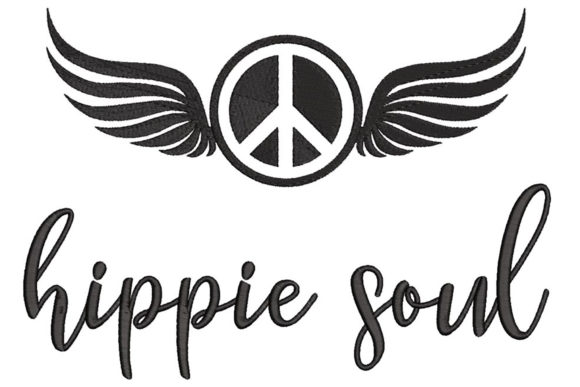
Hippie Soul: A Designer's Review for Small Business Merch
As an experienced embroidery designer who has spent years turning digital files into tangible brand assets, I often get asked to review designs before they hit the production line. Today, I am looking at a design titled Hippie Soul. The description paints a vivid picture: "oldie but goldie, a bit of nostalgia." This cool embroidery design is pitched as perfect for jackets, t-shirts, caps, backpacks, and other fabrics. But does it truly hold up when we move from a screen to a commercial product? For small business owners, Etsy sellers, and apparel decorators, the difference between a decorative stitch and a professional brand asset lies in execution. In this review, I will evaluate how Hippie Soul functions within a real-world business context, focusing on its potential for embroidered patches, staff uniforms, and custom apparel.
First Impressions: Nostalgia Meets Professionalism
The moment you see the title Hippie Soul, you expect a specific vibe. It suggests a blend of retro aesthetics with a modern, free-spirited attitude. When I look at a design described as "oldie but goldie," my first thought is always about versatility. Does it feel dated, or does it have that classic charm that never goes out of style? From a branding perspective, this design feels friendly yet bold. It strikes a balance between rustic and premium, making it an excellent candidate for brands that want to project authenticity rather than corporate stiffness.
For businesses like bakeries, florists, or creative studios, this aesthetic is gold. It signals that the brand values handmade quality and human connection. However, the key to success here is ensuring the stitch density and thread colors are chosen correctly to maintain that "goldie" feel without letting the design look cheap. If executed well, Hippie Soul becomes more than just a logo; it becomes a statement piece that resonates with customers looking for unique, handmade product experiences.
Real-World Applications for Small Business Merch
Let us imagine a scenario where a local boutique or a pet brand wants to launch a line of branded merchandise. How does Hippie Soul fit into their strategy? The description mentions it is perfect for jackets and caps, but the possibilities extend much further. As a designer, I see immense value in using this file for embroidered patches. Patches are incredibly versatile; they can be ironed or sewn onto denim vests, tote bags, or even leather goods. They add a tactile element that print cannot replicate, increasing the perceived value of the item.
Consider a café owner wanting to upgrade their staff uniforms. A subtle application of Hippie Soul on the chest pocket or the sleeve of a work shirt can create a cohesive team identity. It transforms a standard uniform into something that feels personal and curated. Similarly, for a craft business selling digital embroidery files or physical goods, this design could serve as a signature mark on product packaging accents. Imagine a customer receiving a package sealed with a sticker featuring the design, only to find a matching patch inside. That level of detail builds customer trust and recognition.
The design also shines as a tote bag design. Totes are walking billboards, and a high-quality machine embroidery design on canvas ensures the brand message lasts through countless washes. Whether it is used for event merch at a music festival or as a giveaway for a local market, Hippie Soul offers the durability needed for frequent use. It is a smart investment for any small business merch campaign aiming for longevity.
Where to Use Caution: Technical Constraints
While the potential is high, every embroidery file comes with technical constraints that must be respected. One area where Hippie Soul requires careful consideration is size. If you attempt to scale this down to a tiny lettering detail or a very small patch, the intricate details may disappear. Embroidery relies on thread thickness; if the design is too small, the stitches will crowd each other, leading to puckering or a muddy appearance.
Another critical factor is the surface. Curved surfaces like cap fronts can be challenging. If the design has detailed outlines or high stitch density, it may not lay flat on a curved brim or crown. You must ensure the hoop size is appropriate for the curvature of the hat. Additionally, textured fabrics can hide the definition of the design. On a rough burlap or a thick fleece, the fine lines of Hippie Soul might get lost. Dark uniforms present another hurdle; you need to ensure there is enough contrast in your thread colors so the design pops against the background fabric.
Frequent washing is also a test of endurance. For items like aprons or work shirts that undergo heavy laundering, the design must be anchored properly. Without the right stabilizer, the tension of the machine can distort the fabric, ruining the finished product. Always inspect the spacing and confirm that the design elements are robust enough to withstand the rigors of daily wear and tear.
Impact on Brand Identity and Customer Engagement
Using a design like Hippie Soul affects more than just the look of your product; it shapes your brand identity. In a crowded marketplace, visual consistency is key. When customers see a consistent use of this design across custom apparel, cap embroidery, and product labels, it reinforces professionalism. It tells them that you care about the details. A poorly stitched logo can undermine trust, but a well-executed commercial embroidery project elevates the entire brand perception.
This design fosters a sense of community and nostalgia, which drives buyer engagement. Customers today crave authenticity. A design that feels "oldie but goldie" connects emotionally, making the purchase feel less transactional and more experiential. Whether it is a printable mockup used for pre-sales or the actual design assets on a final product, the emotional resonance of Hippie Soul can turn a one-time buyer into a loyal advocate. It adds a layer of personality that generic templates simply cannot match.
Essential Designer Notes for Production
Before you commit to a full production run of Hippie Soul, there are several practical steps every designer and business owner should take. First, test the design in black and white. This helps you visualize the shape and flow without the distraction of color. Next, check if it works at your intended embroidered patch size. Sometimes a design looks great large but fails miserably when scaled down.
Review your thread colors against the fabric texture. High contrast is usually safer for readability. Inspect the spacing between elements to ensure nothing is too tight. Confirm the hoop size required for the design and ensure you have the correct stabilizer to support the fabric during stitching. Most importantly, create a printable mockup for client approval before cutting any fabric. This prevents costly mistakes and ensures everyone is aligned on the vision.
Finally, compare this design beside your other design assets to ensure visual consistency across your brand. And do not forget to confirm the commercial licensing terms. Just because you own the file does not always mean you can use it for unlimited merchandise sales. Check the license agreement to ensure you are covered for commercial embroidery projects.
In conclusion, Hippie Soul is a strong contender for small business owners looking to add character to their products. With the right attention to technical details and strategic placement, it can become a cornerstone of your brand's visual language. Whether you are creating awareness campaigns or simply enhancing your Embroidery offerings, this design offers a nostalgic yet professional touch that stands the test of time.