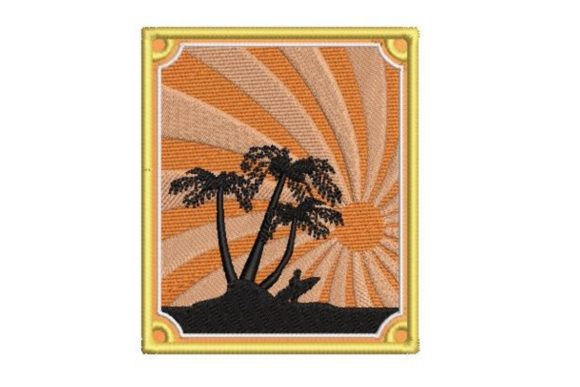
Vintage Retro Colored Striped Review
When I first opened the file for Vintage Retro Colored Striped, I didn't just see a pattern; I saw a mood. As someone who has spent years stitching custom apparel and reviewing digital assets for my own boutique, I know that the difference between a generic clipart and a professional design asset often comes down to personality. This design immediately evokes a specific era of old-school charm, perfect for anyone looking to inject nostalgia into their craft business or personal projects.
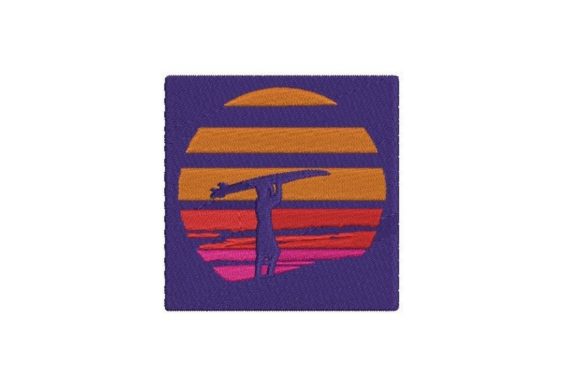
The concept is simple yet effective: a beach-inspired motif rendered in a vintage palette. It feels like a memory of a summer afternoon from decades past. For designers, this translates to a high potential for visual appeal on finished products. The layout suggests a relaxed vibe that works exceptionally well for tote bag designs, kitchen towels, and even apron embroidery. However, before you rush to load it onto your machine, let's break down how this machine embroidery design performs in real-world scenarios.
First Impressions and Visual Personality
The moment you preview Vintage Retro Colored Striped, the color blocking stands out. Unlike modern minimalist trends, this design embraces a bold, retro aesthetic that demands attention. The stripes are not merely lines; they carry a weight that suggests durability and classic style. When I imagine this stitched onto a cream-colored tea towel, the contrast creates an instant focal point that elevates the item from a simple utility object to a decorative piece.
This is where the design shines for Etsy sellers and small shop owners. In a crowded marketplace, a design with such a distinct character can help a product stand out. The "beach" theme mentioned in the description doesn't necessarily mean it must be used only for swimwear. Instead, think of it as a lifestyle statement. It fits naturally into summer collections, vacation-themed gifts, or even a coastal decor line. The visual personality is confident, suggesting that the finished product will have a premium feel, provided the execution matches the intent.
Real-World Application: The Custom Tote Scenario
To truly understand the value of this embroidery file, let's look at a practical case. Imagine you are preparing a batch of custom tote bags for a local summer market. You need something that screams "handmade" but also looks polished enough to justify a higher price point. You decide to use Vintage Retro Colored Striped on the front panel of a canvas tote.
Because the design features a strong graphic element, it anchors the bag nicely. The vintage style pairs beautifully with natural fibers like cotton or heavy canvas. If you were to stitch this on a light background using vibrant thread colors, the result would be crisp and eye-catching. Customers walking by would likely notice the detail immediately. It transforms a plain bag into a statement accessory. However, if you plan to use this for swimming suits or delicate beach accessories, you must consider the fabric tension. Swimwear fabrics are stretchy and often thin, which requires a different approach than a sturdy tote.
Performance Across Different Fabrics and Products
The versatility of Vintage Retro Colored Striped depends heavily on what you choose to embroider. For sweatshirt embroidery, the design holds up well because the fleece provides a stable base. The fill stitches in the stripes will lay flat against the soft texture, creating a tactile experience that customers love. Similarly, for baby clothes, the gentle curves and retro theme make it a safe bet for nursery decor or baby gift sets. Parents appreciate designs that look timeless rather than trendy.
However, there are areas where caution is required. If you are working with dark fabric, the color selection becomes critical. A design described as "colored striped" implies specific hues. If those colors are light, they may get lost on a navy or black background unless you use a high-density underlay or a contrasting thread. Always test the thread colors against the fabric before committing to a large production run. For embroidered patches, the definition of the edges is key. If the design includes tiny details or very fine lines, they might not register clearly on a patch, especially if the backing material is stiff.
Navigating Technical Challenges
As an experienced reviewer, I cannot stress enough the importance of testing. Every digital embroidery file behaves differently depending on the machine and the hoop size. Before using Vintage Retro Colored Striped for a commercial project, you should test it on scrap fabric. Pay close attention to the stitch density. If the design is too dense for a specific fabric type, it can cause puckering or even damage the needle. Conversely, if it is too sparse, the design may look unfinished.
For curved surfaces like caps, the layout of the stripes needs to be evaluated carefully. A design that looks perfect on a flat surface might distort when wrapped around a curved brim. If the design includes any text or intricate corners, ensure they are legible after stitching. Thin fabrics, such as those used for some summer dresses or lightweight shirts, require a stabilizer that is robust enough to support the design without adding bulk. Using the wrong stabilizer can ruin the drape of the garment.
Impact on Brand and Customer Trust
In the world of handmade goods, presentation is everything. A well-executed embroidery project builds trust. When a customer receives a personalized gift or a boutique item, they are judging the quality based on the finish. Vintage Retro Colored Striped offers a professional look that aligns with high-end branding. It signals that the creator put thought into the design choices.
For commercial embroidery businesses, consistency is vital. If you use this design across multiple products—say, matching pillow covers with aprons—you create a cohesive brand identity. The retro theme allows for easy coordination with other vintage-style elements. However, avoid overusing it. If every product in your shop features the same striped motif, it can dilute your brand uniqueness. Use it strategically to highlight specific collections or seasonal items.
Practical Designer Notes for Success
Before you start stitching, here are a few essential checks to ensure your final product meets your standards:
- Test on Scrap Fabric: Always run a test stitch on a piece of the actual fabric you intend to use. This reveals issues with tension, thread pull, or fabric distortion early.
- Check Thread Contrast: Ensure the chosen thread colors pop against the fabric. For dark fabrics, consider using a lighter underlay or adjusting the thread palette.
- Review Stitch Density: Look at the fill areas. If they are too thick, they might cause the fabric to pucker. Adjust the settings if necessary.
- Confirm Hoop Size: Make sure the design fits within your intended hoop dimensions. A design that is too large for a standard 4x4 hoop may require re-digitizing or a larger frame.
- Inspect Small Details: Zoom in on the design file to check for any tiny elements that might not stitch well. Fine lines often disappear in embroidery.
- Stabilizer Selection: Choose a stabilizer that matches the fabric weight. Heavy-duty fabrics need heavy stabilizers, while delicate items need tear-away or cut-away options.
- Licensing Check: Verify the license terms. Some embroidery files allow for commercial use, while others are for personal use only. Always read the fine print before selling finished items.
Ultimately, Vintage Retro Colored Striped is a strong contender for your next project. Whether you are making a holiday gift, a personalized product, or a small shop product for sale, this design brings a sense of warmth and nostalgia that resonates with buyers. By taking the time to test and refine your setup, you can turn this digital asset into a stunning finished product that showcases your skills as a designer and crafter.