Tropical Fruits Embroidery Design Review
As an experienced embroidery designer who has spent years refining digital files for commercial production, I approach every new asset with a critical eye. When evaluating the Tropical Fruits machine embroidery design, my primary focus is not just on aesthetics, but on its viability as a core component of small business merchandise. This review examines how this specific design functions when applied to branded patches, staff uniforms, caps, tote bags, and product labels for boutique owners, Etsy sellers, and creative studios.
First Impressions: A Vibrant Addition to Food Branding
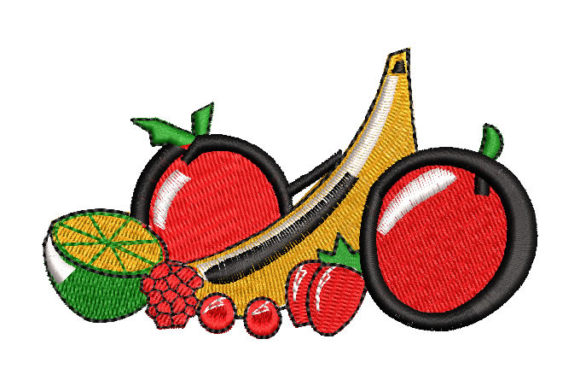
The initial visual assessment of the Tropical Fruits design suggests a playful yet professional aesthetic. Based on the description stating it is "very beautiful embroidered with any type of fabric," the design likely aims for versatility that bridges the gap between rustic charm and modern polish. For businesses in the food sector—such as cafes, bakeries, florists, or pet brands—this design offers an immediate sense of freshness and warmth.
In the context of brand identity, the imagery evokes a feeling of natural abundance and handmade quality. It does not feel overly corporate or sterile; instead, it aligns perfectly with the "handmade product" narrative that many small business owners strive to project. Whether used as a chest logo accent or a standalone patch, the design promises to add a touch of personality that customers can physically feel, distinguishing your brand from generic printed alternatives.
Real-World Application for Small Business Merch
When we move from the screen to the hoop, the true value of the Tropical Fruits design emerges. Here is how this file performs across various high-demand merchandise categories:
- Embroidered Patches: This design is ideal for creating custom sew-on or iron-on patches. The bold nature of fruit imagery translates well into patch format, making them excellent for branding backpacks, denim jackets, or even as collectible items sold directly to customers at craft fairs.
- Staff Uniforms and Aprons: For a bakery or café, placing this design on a white or cream apron creates an inviting atmosphere. It serves as a subtle nod to the ingredients used without overwhelming the wearer. The design's potential to work on various fabrics makes it a safe bet for different uniform materials.
- Caps and Headwear: Cap embroidery requires precision. If the Tropical Fruits design maintains good spacing and stitch density, it will sit beautifully on the curved front panel of a trucker hat or a structured baseball cap, acting as a memorable logo for mobile teams or event staff.
- Tote Bag Designs: A canvas tote bag is a walking advertisement. Embroidering this design adds durability and a premium texture that paper tags cannot match. It elevates the perceived value of the bag, encouraging customers to keep using it long after their purchase.
- Product Packaging Accents: Consider attaching a small version of this design to the neck tag of clothing or the corner of a gift box. This attention to detail reinforces brand consistency and shows customers that you care about the entire unboxing experience.
Strategic Considerations and Potential Pitfalls
While the Tropical Fruits design has great potential, an experienced designer knows that not every application is suitable. There are specific scenarios where caution is required to ensure a professional finished product.
Small Patch Sizes and Detail Loss: If you intend to shrink this design down for a tiny lapel pin or a very small wrist patch, be wary of intricate outlines. High stitch density in small areas can cause the fabric to pucker or the details to blur. Always test the design at the intended final size before mass production.
Curved Surfaces and Cap Fronts: Embroidering on curved surfaces like caps introduces distortion risks. If the design relies heavily on fine lines or tight lettering, the curvature might stretch these elements, making them unreadable. Ensure the digitization accounts for the curve of the hat.
Fabric Texture and Color Contrast: The description mentions working with "any type of fabric," but practical experience dictates otherwise. Textured fabrics like heavy bouclé or loose-weave linen may hide the definition of the fruit shapes. Furthermore, if you are embroidering on dark uniforms, you must ensure there is sufficient thread contrast and potentially a high-quality underlay to prevent the dark background from showing through the stitches.
Wash Durability: Items that require frequent washing, such as chef coats or kitchen towels, need robust stitching. If the design features long satin stitches that run parallel to each other, they may snag or wear down quickly over time. Verify that the stitch direction supports the longevity of the garment.
Impact on Brand Identity and Customer Trust
In the competitive world of handmade goods and local commerce, visual consistency is key to building trust. Using a high-quality digital embroidery file like Tropical Fruits signals professionalism. Customers associate the tactile quality of embroidery with durability and craftsmanship. When a customer sees a crisp, well-executed fruit design on a tote bag or a clean patch on a cap, it subconsciously tells them that your business pays attention to detail.
This level of quality enhances product value. An embroidered item often feels more substantial than a printed one, allowing you to justify a higher price point. Moreover, for Etsy sellers and crafters, unique design assets help differentiate your shop from competitors who rely solely on mass-produced graphics. The Tropical Fruits design, with its friendly vibe, fosters engagement and makes your brand feel accessible and welcoming.
Essential Designer Notes for Production
Before committing to a full production run, follow these practical steps to ensure success with the Tropical Fruits embroidery design:
- Test in Black and White: Create a monochrome mockup first. This helps you verify the composition and balance of the design without the distraction of color choices.
- Check Stitch Density: Inspect the file for areas where stitches might be too close together, which can cause puckering, or too far apart, which can leave gaps. Adjustments may be necessary depending on your target fabric.
- Verify Thread Colors: Select thread colors that offer strong contrast against your chosen fabric. Bright tropical hues pop on neutrals, while muted tones might get lost on dark backgrounds.
- Confirm Hoop Size: Ensure the design fits within your standard hoop sizes to avoid re-hooping errors during production. Check the dimensions provided in the file metadata.
- Use Proper Stabilizer: The stability of the final product depends heavily on the stabilizer used. For lightweight fabrics, a cut-away stabilizer is usually best to prevent shifting and maintain the integrity of the design.
- Create a Printable Mockup: Before sending orders out, generate a realistic mockup for client approval. This allows stakeholders to visualize the design on the actual product and catch any issues early.
- Compare Against Other Assets: Place the Tropical Fruits design alongside your existing logos and text to ensure they share a similar visual weight and style.
- Review Commercial Licensing: Most importantly, confirm the commercial licensing terms. Ensure you have the legal right to use this embroidery file for selling merchandise, branded patches, and promotional items.
By treating the Tropical Fruits design with the same rigor as a custom commission, you can leverage its vibrant appeal to elevate your small business merch and create lasting impressions on your customers. Whether you are decorating aprons, caps, or tote bags, this design offers a versatile foundation for your next commercial embroidery project.