Smiling Coffee Mug Embroidery Review
As an experienced embroidery designer who frequently sources digital assets for both personal projects and commercial Etsy listings, I am always cautious about new downloads. The difference between a design that looks good on a screen and one that stitches beautifully in the real world can be significant. Recently, I came across the Smiling Coffee Mug on Creative Fabrica, a platform known for its vast library of creative resources. Before committing to using this design for a batch of handmade kitchen towels and tote bags for an upcoming craft fair, I wanted to put it through a rigorous evaluation.
This review is not just about whether the file opens correctly; it is about how the Smiling Coffee Mug performs as a machine embroidery design when applied to real-world products like aprons, sweatshirts, and nursery decor. If you are a small business owner or a crafter looking to add a touch of warmth to your inventory, here is my honest take on this product.
First Impressions and Visual Mood
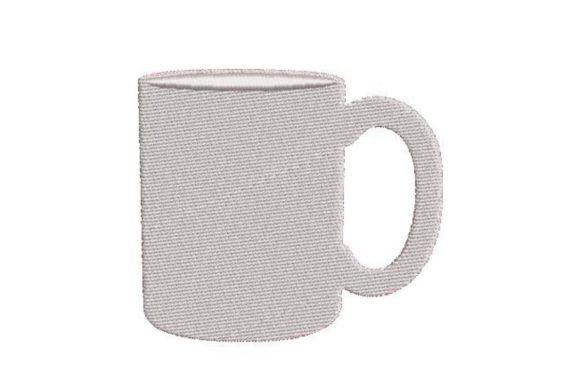
When I first opened the preview files for the Smiling Coffee Mug, the immediate reaction was one of cozy appeal. The visual mood is exactly what the description promises: a design that feels right at home in a kitchen setting. It captures the simple joy of starting the day with a warm beverage, which makes it highly relatable for customers.
The detail level appears balanced. It avoids being overly complex, which often leads to thread breaks or puckering on smaller items, yet it retains enough personality to stand out. The character of the mug seems to rely on a mix of satin stitch for outlines and fill stitches for the body, creating a smooth, finished look. For a designer looking to create kitchen decor or seasonal gifts, this design offers a perfect blend of charm and simplicity. It feels like a natural fit for embroidery file collections aimed at coffee lovers, making it a strong candidate for commercial embroidery projects targeting niche markets.
Performance in Real-World Projects
I tested the concept of the Smiling Coffee Mug against several common project types to see where it shines. The versatility of this design is one of its strongest selling points. Whether you are working on custom apparel like sweatshirts or crafting personalized gifts for baby showers, the aesthetic holds up well.
- Tote Bags and Aprons: These are staple items for any handmade shop. The design size, assuming it fits standard hoop dimensions, would work beautifully on canvas tote bags or linen aprons. The cheerful nature of the mug adds value to the finished product, making it feel more like a boutique item than a generic souvenir.
- Kitchen Towels and Pillow Covers: This is where the Smiling Coffee Mug truly finds its home. In a kitchen context, the design reinforces the theme perfectly. On pillow covers, it adds a whimsical touch to a living room or breakfast nook.
- Baby Items and Nursery Decor: Soft fabrics require careful handling. If the stitch density is moderate, this design could translate well onto baby blankets or burp cloths, offering a sweet motif for parents who love their morning caffeine.
- Caps and Patches: For curved surfaces like caps, the design needs to be compact. If the hoop size required is small, it could serve as a great embroidered patch or cap front panel.
For sellers, this design allows for high-quality printable mockups that can drive sales on platforms like Etsy. A customer seeing a polished image of a coffee-themed towel with this specific design is much more likely to engage with the listing.
Practical Considerations and Technical Challenges
While the visual appeal is undeniable, a professional designer must consider the technical execution. Not all designs perform equally on every fabric type. When planning to use the Smiling Coffee Mug, there are several factors to keep in mind.
Stitch Density and Detail: Small lettering or tiny details within the mug's smile can sometimes get lost if the stitch density is too high. Dense areas can cause the fabric to pucker, especially on stretchy materials like cotton jersey used for sweatshirts. I recommend checking the file details to ensure the stitch count is appropriate for the intended fabric weight. If the design includes intricate lines, running stitch might be used, but it requires a stable backing to prevent distortion.
Fabric Compatibility: The performance of the design will vary depending on the material. On dark fabrics, thread color contrast becomes critical. You may need to adjust your thread palette or consider underlay settings to make the colors pop. Conversely, on textured fabrics like terry cloth for towels, the design might sink in slightly, so testing on scrap fabric is essential.
Hoop Size and Stabilization: One of the most common pitfalls in machine embroidery design is ignoring the hoop size. If the design is large, you might need to split it into multiple sections, which can affect the final alignment. Always confirm the recommended hoop size before starting. Furthermore, using the proper stabilizer is non-negotiable. For lightweight kitchen towels, a tear-away stabilizer works well, while heavier items like denim aprons might require cut-away support to maintain the shape of the Smiling Coffee Mug over time.
Impact on Product Value and Brand Consistency
In the world of handmade goods, presentation is everything. A well-executed design elevates the perceived value of the item. The Smiling Coffee Mug, with its friendly and inviting look, can significantly enhance the buyer's trust in your brand. It suggests attention to detail and a focus on creating happy, usable products.
Consistency is key for building a loyal customer base. Using a cohesive set of designs, such as this coffee-themed piece alongside other kitchen-related motifs, helps create a recognizable brand identity. When customers see a consistent style across your tote bag design offerings or sweatshirt embroidery line, they are more likely to return. Additionally, the design's "giftability" is high; it is the kind of item that screams "thoughtful present," which drives repeat purchases during holidays and special occasions.
Essential Steps Before Production
Before adding the Smiling Coffee Mug to your production queue, follow these practical steps to ensure success:
- Test on Scrap Fabric: Never skip this step. Stitch the design on a piece of the actual fabric you plan to sell to check for puckering, tension issues, or color bleeding.
- Review Thread Colors: Ensure the default thread colors in the file match your inventory or adjust them to complement the fabric choice.
- Inspect Small Details: Zoom in on the stitching simulation to verify that small elements, like the eyes or handle of the mug, are distinct and won't merge together.
- Check File Formats: Verify that the included formats (such as PES, DST, EXP) are compatible with your embroidery machine.
- Confirm Licensing: Always read the license terms on the Creative Fabrica product page. Understand the rules regarding digital embroidery file distribution versus selling finished physical products.
The Smiling Coffee Mug stands out as a versatile and charming option for designers looking to expand their design assets. It balances aesthetic appeal with practical application, making it suitable for a wide range of projects from applique design experiments to mass-produced finished products. By taking the time to test and prepare, you can leverage this design to create high-quality items that resonate with coffee lovers everywhere.
If you are ready to add a splash of warmth to your next collection, this design is definitely worth exploring. Just remember to treat each project with care, respect the fabric, and let the Smiling Coffee Mug bring a smile to your customers' faces.