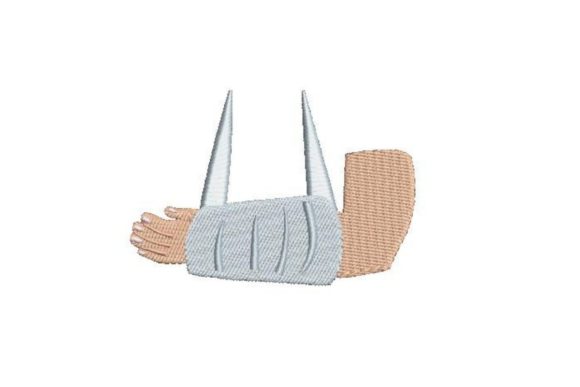
Reservation Sign: A Designer's Review for Craft Fairs
As an experienced embroidery designer, I spend a lot of time evaluating digital assets before they ever hit the hoop. When I first encountered the Reservation Sign design, my immediate thought was not just about the code or the stitches, but how it would perform on a crowded craft fair table. In the world of handmade goods, visual impact is everything. You have mere seconds to catch a passerby's eye before they move to the next booth. This review breaks down exactly why this design has the potential to be a standout piece for your weekend market display and how to position it for maximum sales.
The First Impression: Bold and Welcoming
From a design perspective, the Reservation Sign title suggests something that is inherently welcoming yet structured. It evokes feelings of hospitality, family gatherings, and perhaps a touch of rustic charm or modern farmhouse aesthetic. Whether you are selling at a boutique wedding expo or a local farmers market, this theme resonates deeply with customers looking for homey, personalized items. The concept feels versatile enough to be playful in a kitchen setting or elegant in a living room space. It strikes a balance between being a decorative accent and a statement piece, which is crucial for creating products that people actually want to take home.
Where Reservation Sign Shines on Product
To maximize the return on your investment of time and materials, you must choose the right canvas for the design. Based on my experience testing similar motifs, here is where the Reservation Sign truly excels:
- Tote Bags and Market Bags: A tote bag is often the first item a customer reaches for. Placing the Reservation Sign on a sturdy canvas tote creates an instant conversation starter. It works beautifully as a large focal point on the front panel, signaling a love for organization and family life.
- Apron Embroidery: For the chef or baker in the family, this design transforms a standard apron into a premium gift. The text nature of the sign fits perfectly in the center chest area, making it highly visible when worn.
- Tea Towel Embroidery: Kitchen linens are high-margin items. A crisp Reservation Sign on a linen tea towel adds a professional touch that elevates the perceived value of the item significantly.
- Pillow Covers: Home decor is a massive category for Etsy sellers. This design can serve as a centerpiece for a throw pillow, adding a layer of warmth and personality to any sofa or bed.
- Embroidered Patches: If you sell patches, this design translates well to iron-on or sew-on formats. It allows customers to customize their own jackets, bags, or caps, extending the life of your product line.
- Caps and Small Pouches: While smaller items require careful planning, a well-executed version of this design can look sharp on a baseball cap or a small fabric pouch used for cosmetics or keys.
Practical Selling and Production Insights
When preparing for a craft fair, efficiency is key. You need designs that photograph well for your online listings and are repeatable for batch production. The Reservation Sign design appears to have clear lines, which generally makes it easier to stitch cleanly than overly intricate script. However, its success depends heavily on how you scale it.
For online listings, clarity is paramount. A high-resolution printable mockup showing the design on different fabrics will help customers visualize the final result. The design should work as both a small accent for subtle branding and a large focal point for statement pieces. If the lettering is dense, ensure it remains legible from a distance; nothing kills a sale faster than a design that looks like a blur on a busy booth table.
Batch production becomes much easier when the design elements are distinct. If the Reservation Sign file allows for quick placement changes without losing quality, you can churn out matching sets—like a set of four tea towels or a collection of tote bags—much faster than with complex, multi-layered artwork.
Crucial Considerations for Quality Control
Even the best machine embroidery design can fail if the execution is flawed. Before you commit to producing inventory, you must consider several technical factors that affect the final look.
Dense Stitch Areas: Check the density of the fill stitches. If the design is too dense, it may pucker the fabric, especially on lightweight materials like cotton tees or thin linen. Conversely, if it is too sparse, the background might show through, ruining the clean look of the sign.
Small Details and Lettering: Pay close attention to the smallest letters or decorative elements. On a small product like a patch or a cap, tiny details can get lost or merge together. Always test the design at its intended size to ensure readability.
Fabric Texture and Color: The contrast between your thread colors and the fabric texture is vital. A light design on a textured, dark towel might lose definition. Similarly, working on curved surfaces like caps requires specific stabilization techniques to prevent distortion. Dark fabrics often require a underlay or a different thread choice to ensure the design pops rather than blending in.
Designer's Checklist for Success
To ensure your Reservation Sign products meet professional standards, follow these essential steps before listing them as a commercial embroidery product:
- Test on Scrap Fabric: Never skip the scrap run. Test the design on the exact fabric you plan to sell to check for puckering or shifting.
- Check Thread Contrast: Ensure your chosen thread colors provide enough contrast against the fabric to make the design stand out clearly.
- Review Spacing and Hoop Size: Confirm that the design fits within your standard hoop sizes. Overstitching beyond the hoop limits can ruin the alignment.
- Inspect Stitch Density: Look closely at the finished sample. Are there gaps? Is the fabric distorted? Adjust the tension or stabilizer if necessary.
- Use the Right Stabilizer: Heavy-duty designs need heavy-duty stabilizers. Using the wrong type can lead to a lumpy, unprofessional finish.
- Create Real Mockups: Don't rely solely on digital renders. Photograph real samples to use in your Etsy seller listings. Customers trust photos of actual products over generated images.
- Compare Fabric Colors: Show the design on at least three different colorways to demonstrate versatility to your buyers.
- Confirm Commercial Licensing: Before selling finished products, verify that your embroidery file includes a commercial license. This protects your business and ensures you are using the design assets legally.
Final Thoughts on Visual Appeal
In the end, the Reservation Sign is more than just a pattern of stitches; it is a mood setter. It brings a sense of order and welcome to whatever surface it adorns. For the creative entrepreneur, this design offers a strong foundation for building a cohesive brand identity. Whether you are crafting a single custom gift or launching a full line of handmade products, the key lies in the details. By paying attention to fabric texture, thread selection, and production consistency, you can turn a simple digital file into a best-selling booth favorite. Take the time to perfect your process, and let the quality of your finished product speak for itself.