Mousey Christmas Design Review
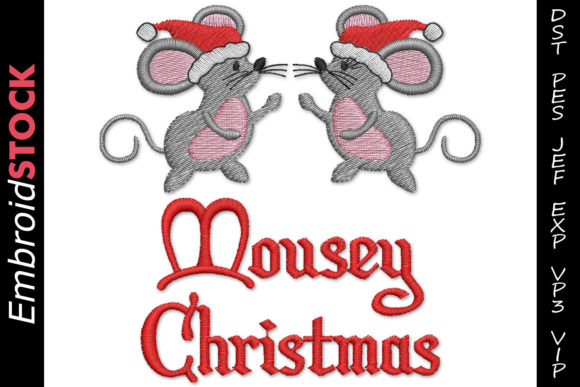
As an experienced embroidery designer who frequently navigates the vast landscape of digital design assets, I approach every new download with a mix of excitement and skepticism. The market is flooded with options, but finding a machine embroidery design that balances charm with technical feasibility for real-world projects can be a challenge. Recently, I came across the "Mousey Christmas" design on Creative Fabrica. While browsing for holiday-specific assets to expand my seasonal collection, this particular file caught my eye. It promises two mice having a merry time, specifically marketed as perfect for kitchen or bathroom towels. But does it hold up when moved from a digital preview to a physical hoop? In this review, I will share my honest perspective on whether Mousey Christmas is a worthy addition to your workflow for handmade products, Etsy listings, or boutique merchandise.
First Impressions: Mood and Visual Appeal
The initial visual assessment of the Mousey Christmas file reveals a design that leans heavily into whimsy and nostalgia. For a designer targeting customers looking for personalized gifts or unique home decor, the mood is exactly right. The concept of two mice celebrating the season evokes a cozy, domestic feeling that translates exceptionally well to soft goods like aprons, baby blankets, and nursery decor. Unlike some generic holiday patterns that feel mass-produced, this design has a distinct personality. It feels like a storybook illustration brought to life through thread.
For those selling custom apparel or creating embroidered patches, the aesthetic is versatile. It avoids being overly cluttered while still offering enough detail to look substantial on a finished product. The composition suggests a natural fit for smaller items where space is limited, such as cap fronts, tote bag corners, or pillow covers. The visual appeal here is strong because it targets a specific emotional response: warmth and holiday cheer. This makes it an excellent candidate for commercial embroidery projects where brand consistency and customer engagement are key. A buyer scrolling through an Etsy shop is more likely to click on a listing featuring a cute, character-driven design than a simple geometric pattern.
Performance in Real Embroidery Projects
Moving beyond the screen, the true test of any embroidery file lies in its execution on various fabrics. When considering Mousey Christmas for a real customer order, several factors come into play regarding stitch density and fabric compatibility. The design description highlights its suitability for towels, which typically have a looped texture. However, working with textured fabrics requires careful consideration of the stitch density. If the design features dense areas, they might struggle to penetrate thick terry cloth without causing puckering or distortion.
I envision this design performing beautifully on smooth cotton blends found in sweatshirt embroidery or high-quality canvas for a tote bag design. On these surfaces, the individual stitches would likely lay flat and crisp. For applique design enthusiasts, the clean outlines of the mice could offer opportunities for adding fabric layers, though one must verify if the file includes applique instructions or if it relies solely on satin and fill stitches. The versatility extends to handmade product lines; imagine this stitched onto a festive apron for a holiday cooking class or a baby blanket for a nursery gift. The design's scale seems appropriate for these applications, provided the user respects the recommended hoop size.
However, caution is advised when applying this to curved surfaces like caps. While many digital embroidery files claim universal compatibility, curved cap surfaces often require specialized hoops and stabilizers to prevent the design from stretching out of shape. If you plan to use Mousey Christmas for embroidered patches, ensure the backing material is rigid enough to support the stitch count. For printable mockups intended for marketing, the design renders well, allowing you to showcase the potential value of the finished product before committing to production.
Practical Considerations for Commercial Use
For small business owners and creative entrepreneurs, the practicality of a design directly impacts profitability and customer satisfaction. Using Mousey Christmas for personalized gifts or seasonal handmade gifts requires attention to detail. One critical aspect is thread color contrast. On dark fabrics, light-colored threads used for the mice may not pop unless underlay or specific thread types are utilized. Conversely, on white or light backgrounds, the design needs sufficient definition to stand out against the fabric weave.
Another vital factor is the durability of the design after washing. Items like kitchen towels and bathrobes undergo frequent laundering. If the stitch density is too high, the design may become stiff and uncomfortable. If it is too low, the stitches may pull or fray over time. Before running a full production run, I strongly advise testing on scrap fabric. Check how the stabilizer interacts with the chosen material. For stretchy fabrics, a cut-away stabilizer is often necessary to maintain the integrity of the design, ensuring the mice do not distort when the fabric stretches.
When evaluating the design for brand consistency, consider how it fits within your existing catalog. Does it complement your other holiday offerings? Does it align with the quality standards your customers expect? A poorly executed design can damage buyer trust, whereas a well-executed one enhances product photography and social media engagement. The Mousey Christmas design offers a charming focal point that can elevate a simple item into a special keepsake.
Essential Checklist Before You Stitch
- Review File Details: Always confirm the specific file formats and machine compatibility listed on the Creative Fabrica product page before purchasing.
- Check Licensing: Verify the licensing terms regarding commercial embroidery and resale rights for finished items to protect your business.
- Test Stitch Density: Run a test on your target fabric to ensure the design does not pucker or lose definition.
- Inspect Small Details: Zoom in on the digitized elements to ensure tiny details like whiskers or eyes will stitch clearly and not clump together.
- Compare Mockups: View the design on both light and dark fabric mockups to assess thread color contrast and overall visibility.
- Select Proper Stabilizer: Choose a stabilizer that matches the weight and stretch of your fabric to prevent distortion during stitching.
In conclusion, Mousey Christmas presents itself as a delightful option for designers looking to add a touch of whimsical holiday spirit to their collections. Its focus on cute characters makes it highly suitable for craft fair products, boutique merchandise, and apparel decorators seeking unique assets. While the design appears visually appealing and emotionally resonant, success ultimately depends on proper execution. By taking the time to test the design, understand the limitations of different fabrics, and adhere to best practices in stabilization and stitching, you can transform this digital asset into a tangible, high-value handmade product. Whether you are creating a single custom piece or scaling up for a holiday season rush, Mousey Christmas offers a solid foundation for creative expression and commercial success.