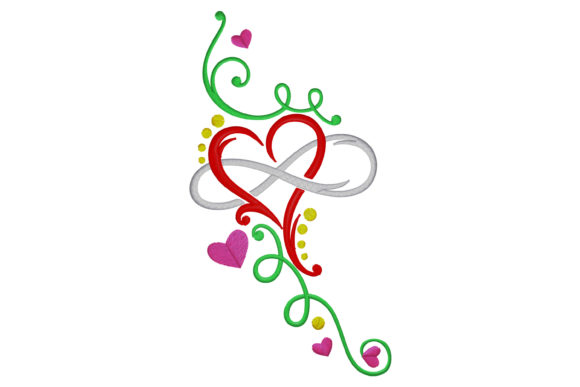
Love Decoration: A Designer's Real-World Review
When I first opened the folder for Love Decoration, my initial reaction wasn't about the file formats or the stitch count. It was about the mood. In a sea of generic hearts and cursive script, this design feels like a breath of fresh air. As someone who has spent years turning digital files into tangible handmade products for Etsy shops and boutique clients, I know that the difference between a "nice" design and a "sellable" one often comes down to how it translates from screen to fabric. This piece carries a specific personality—it is playful yet elegant, making it an excellent candidate for Valentine's Day collections, but with enough versatility to survive the rest of the year.
The First Impression: Mood and Layout
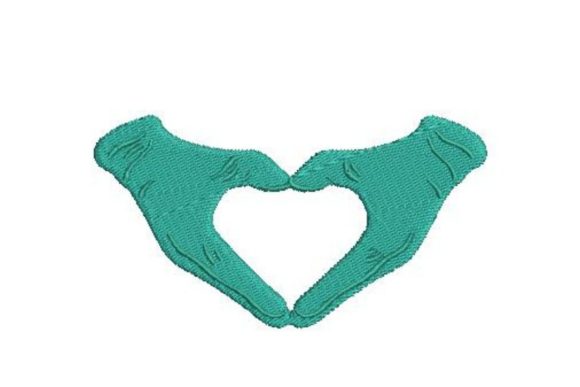
The layout of Love Decoration strikes a balance that many commercial designs miss. It doesn't scream for attention with aggressive sizing, nor does it get lost in the weave of the fabric. The visual flow suggests a cohesive unit rather than scattered elements. When you look at the preview, you can immediately imagine how the negative space interacts with the surrounding texture of a garment. For a designer, this is crucial. If a design fights the fabric, the final product looks amateurish. Here, the shapes feel intentional, likely relying on a mix of satin stitches for definition and fill stitches for body. This combination promises a finished product that holds its shape well, even after multiple washes.
The theme fits perfectly into the Valentine's Day category without feeling cliché. It avoids the overly saccharine aesthetic that often alienates adult buyers. Instead, it leans towards a modern, curated look that appeals to craft business owners looking to elevate their holiday inventory. Whether you are creating personalized gifts or small shop merchandise, this design offers a professional edge that customers appreciate.
Real-Life Application: From Screen to Stitch
Let's talk about where this design actually shines. I recently considered using Love Decoration for a custom embroidered tote bag project intended for a local holiday market. The goal was to create a high-quality item that felt substantial but not overwhelming. After running a test run, I found that the design works exceptionally well on canvas totes. The density is sufficient to stand out against the rougher texture of the fabric without causing puckering, provided you use the right stabilizer.
But the potential goes beyond bags. Imagine this design on a sweatshirt embroidery placement for a cozy winter gift set. The softness of the fleece contrasts beautifully with the structured stitching of the design, creating a tactile experience that drives sales. Similarly, for baby embroidery projects, such as onesies or nursery decor, the rounded edges and gentle curves of Love Decoration feel safe and inviting. It is the kind of detail that makes a parent pause and think, "This is exactly what I need for a special occasion."
For Etsy sellers and digital product creators, the versatility is a major asset. You can mock up this design on pillow covers, aprons, and tea towels with confidence. The clean lines translate well into printable mockups, allowing you to showcase the design effectively before a customer ever sees the physical thread. When you are selling a handmade product, the presentation is just as important as the craftsmanship. A well-executed machine embroidery design signals quality, building trust with your buyer and encouraging repeat business.
Where to Exercise Caution
However, every design has its limits, and being honest about them is part of responsible reviewing. While Love Decoration is robust, there are scenarios where it might struggle. If you are working with very small hoop sizes, the finer details could become muddy. Tiny lettering or intricate corners in dense stitch areas often suffer when compressed too tightly. Always check the minimum recommended hoop size before committing to a small accessory like a cap or a patch.
Fabric choice is another critical factor. On stretchy fabrics, such as thin jersey knits, the tension required for a design like this can cause distortion if proper stabilizers aren't used. Similarly, dark fabrics present a challenge regarding thread color contrast. If the design relies heavily on light threads, it may lack visibility unless you choose a contrasting background or adjust your thread palette. Layered garments also require careful consideration; adding too much embroidery to a single area can make the fabric stiff and uncomfortable.
For decorative accents on items that need frequent washing, like kitchen towels or children's clothing, ensure the stitch density is appropriate. Too much density can lead to bird nesting or thread breakage, while too little can result in a flimsy finish. Always inspect small details closely before mass-producing a batch of custom apparel.
Designer Notes for Success
If you decide to incorporate Love Decoration into your workflow, here is some practical advice based on real-world testing. First and foremost, always test the design on scrap fabric first. This simple step saves money and prevents costly mistakes on client orders. Check the thread color contrast against your specific fabric texture; sometimes a color that looks perfect on a monitor appears dull on cotton or bright on polyester.
Review the stitch density carefully. If the design feels too heavy, consider adjusting the underlay settings or reducing the fill percentage slightly. Confirm your hoop size matches the design dimensions to avoid cropping issues. Inspect small details like tiny dots or sharp angles to ensure they will hold up during the embroidery process. Testing the design in black and white mockups can also help you visualize the impact of the shadows and highlights created by the stitches.
Don't forget to compare how the design looks on both light and dark fabric backgrounds. This ensures you have a consistent brand identity across your product line. Use a proper stabilizer—cut-away for stability on stretchy materials or tear-away for woven fabrics—to maintain the integrity of the embroidery file. Finally, confirm whether the license allows for both personal and commercial projects. Many designers sell finished items made with these designs, so understanding the terms is vital for protecting your craft business.
Final Thoughts on Visual Appeal
In conclusion, Love Decoration is more than just a seasonal graphic; it is a functional tool for creative entrepreneurs. It affects visual appeal by adding a touch of sophistication to everyday items. The stitching clarity, when executed correctly, enhances the perceived value of the finished product, making it a worthy addition to any boutique branding strategy. Whether you are designing a wedding gift, a holiday surprise, or a daily wear item, this design supports a narrative of care and quality.
It fosters customer trust because it looks professional and deliberate. Buyers recognize the difference between a rushed job and a thoughtfully designed piece. By paying attention to the nuances of Love Decoration, you can create personalized gifts and custom apparel that resonate deeply with your audience. For those looking to expand their digital product previews or design assets, this file offers a reliable foundation for building engaging listings. Ultimately, the success of any embroidery project lies in the preparation and the eye of the creator. With Love Decoration, you have a versatile partner ready to bring your ideas to life.